Culture & Leisure
Culture and leisure have evolved far beyond passive consumption. Whether you’re standing before a centuries-old masterpiece in a hushed gallery or carefully photographing your handmade ceramics for an online shop, these experiences now occupy a unique space where personal enrichment meets practical opportunity. The modern cultural landscape offers unprecedented access to world-class institutions alongside equally unprecedented pathways to transform creative passions into viable income streams.
This intersection creates fascinating questions for anyone seeking to engage meaningfully with culture. How do you access premium cultural experiences without overspending? When does a hobby cross the threshold into a business requiring formal structure? What unspoken rules govern these spaces, and which platforms truly serve creators best? Understanding these dynamics empowers you to navigate cultural institutions with confidence while making informed decisions about your creative pursuits.
The following exploration addresses both sides of this modern cultural equation: consuming culture intelligently and producing creative work sustainably. These aren’t separate worlds but interconnected aspects of a rich, engaged life.
Accessing Art and Culture Without Breaking the Bank
Cultural institutions often seem financially out of reach, yet strategic approaches can dramatically reduce costs while enhancing your experience. The key lies in understanding how museums and galleries structure their offerings and timing your engagement accordingly.
Museum Memberships and Their Hidden Value
Many cultural institutions offer membership programs that become cost-effective remarkably quickly. A typical annual membership might cost the equivalent of three or four standard admissions, meaning frequent visitors achieve savings almost immediately. Beyond pure economics, memberships often include benefits that transform the visiting experience entirely: priority booking for popular exhibitions, exclusive viewing hours before public opening, and guest passes that turn cultural outings into social experiences.
The mathematics become even more compelling when you consider special exhibitions. These temporary shows often carry surcharges for non-members but remain included in membership benefits. If you visit just two special exhibitions annually alongside regular collection access, you’ve likely justified the membership cost while gaining a fundamentally different relationship with the institution.
Timing Your Visits for the Best Experience
Cultural institutions experience predictable traffic patterns that savvy visitors exploit. Weekday mornings, particularly mid-week, offer dramatically different experiences than weekend afternoons. Popular museums that feel overwhelming on Saturday at noon become contemplative spaces on Tuesday at opening. Some institutions offer free admission windows during specific hours, though these can paradoxically create crowds that diminish the experience.
Understanding exhibition cycles also matters. Blockbuster shows generate justified excitement but create queues and congestion. Visiting during the final weeks of an exhibition’s run, or conversely within the first few days, often yields better access than the crowded middle period. Smaller, permanent collection galleries remain perpetually underappreciated despite housing extraordinary works that receive a fraction of the attention lavished on traveling exhibitions.
Gallery Etiquette and Cultural Literacy
Cultural institutions operate according to unwritten codes that, when violated, can genuinely disrupt both staff operations and other visitors’ experiences. The most common transgression involves spatial awareness around artworks. Standing directly in front of a piece while consulting your phone or having an extended conversation creates bottlenecks in gallery flow. Curators consistently cite this as their primary frustration with visitor behavior.
Photography policies vary significantly between institutions and even between different galleries within the same building. Some museums welcome photography without flash, recognizing it as engagement rather than distraction. Others prohibit it entirely for copyright reasons or to encourage unmediated viewing. Always verify current policies rather than assuming, as regulations frequently change based on loan agreements with other institutions.
The physical environment of galleries serves specific purposes. Cool temperatures and controlled lighting protect artworks from deterioration but can make extended visits uncomfortable. Bringing a light layer allows you to remain comfortable during longer viewing sessions. Similarly, understanding that security staff must maintain sightlines to all artworks explains why certain seating positions or movements might be gently redirected.
From Hobby to Income: The Creative Economy
The distance between enjoying a craft and operating a craft business involves more than simply deciding to sell your work. This transition carries legal, financial, and creative implications that require understanding before you accept your first payment.
Understanding Tax Thresholds for Makers
Many jurisdictions recognize the reality of small-scale creative selling through tax-free allowances for modest trading income. These thresholds acknowledge that occasionally selling handmade items at a local market differs fundamentally from operating a business. In the UK, for instance, the trading allowance permits earning up to £1,000 annually without registration or declaration requirements.
However, crossing this threshold triggers obligations including income reporting and potentially VAT registration at higher turnover levels. The transition isn’t merely administrative—it affects how you structure pricing, maintain records, and think about your creative practice. Many makers underestimate these requirements and find themselves retrospectively trying to reconstruct financial records from memory and incomplete receipts.
Intellectual property considerations operate independently of income thresholds. Even before earning a single pound, understanding copyright, trademark implications, and licensing requirements protects you from costly mistakes. Using licensed character images, copyrighted patterns, or trademarked logos without permission can result in platform bans and legal liability regardless of your sales volume.
Pricing Your Work Properly
The most common error among makers involves failing to calculate an actual hourly rate for their work. Pricing based solely on materials cost plus an arbitrary markup often results in earning well below minimum wage once you account for actual production time. A pottery piece requiring three hours of work across throwing, drying, glazing, and firing must price accordingly or you’re essentially paying others to let you practice your hobby.
Proper pricing methodology accounts for materials, direct labor at a reasonable hourly rate, a proportionate share of overhead (studio rent, equipment depreciation, utilities), and a profit margin. This calculation frequently produces prices that feel uncomfortably high to makers who’ve internalized consumer retail prices without understanding commercial production economics. Yet sustainable creative businesses depend on this discipline.
The psychological dimension of pricing affects both maker and buyer. Underpricing signals low quality or lack of confidence, while appropriate pricing attracts customers who value craftsmanship. The market for handmade goods isn’t competing primarily on price but on uniqueness, quality, and the story behind creation.
Choosing the Right Sales Channel for Your Work
Where you sell shapes everything from pricing flexibility to customer relationships to time investment. The digital-versus-physical decision isn’t binary—many successful makers employ multiple channels strategically—but each carries distinct advantages and requirements.
Online Platforms and Their Requirements
Platforms like Etsy offer immediate access to audiences actively seeking handmade goods, eliminating the cold-start problem of building traffic to an independent website. However, this convenience comes with fees, algorithmic visibility challenges, and strict policies around intellectual property and shop operations. Success requires treating the platform as a serious sales channel: professional photography, complete SEO-optimized descriptions, consistent inventory management, and responsive customer service.
The technical setup presents surprisingly complex decisions around product categorization, tagging strategy, shipping profiles, and payment processing. Shops that convert browsers into buyers typically invest significant effort in these foundational elements before attempting to drive traffic. High-quality images shot in consistent lighting against neutral backgrounds dramatically outperform casual snapshots, regardless of product quality.
Platform algorithms favor shops demonstrating engagement through regular listings, prompt shipping, positive reviews, and active customer communication. Understanding these ranking factors helps explain why some shops thrive while others languish with identical products. The platform relationship isn’t passive—it requires ongoing optimization and adaptation to policy changes.
Local Markets and Direct Sales
Physical craft markets offer immediate feedback, personal customer connections, and zero platform fees, but they demand different skills and resources. Successful market vendors treat setup as crucial: professional display creating visual coherence, clear pricing, and approachable engagement style all influence conversion rates dramatically. The maker who chats comfortably about their process while giving browsers space typically outsells the one anxiously hovering or remaining absorbed in their phone.
Margin calculations differ significantly between channels. While online platforms charge listing and transaction fees, physical markets involve stall fees, transportation costs, and crucially, your time. A market requiring five hours of selling time plus two hours of setup and breakdown represents substantial investment. If you sell £200 of goods with 50% margin but invested seven hours, you’ve earned roughly £14 per hour before accounting for stall fees and travel.
Geographic and demographic factors heavily influence market success. Urban markets with established foot traffic and audiences seeking handmade goods naturally perform better than sporadic rural events. Researching market history, vendor mix, and typical attendance helps predict viability before committing to regular participation.
The choice between online and physical selling often reflects personal working style as much as economic optimization. Some makers thrive on direct customer interaction and find markets energizing despite logistical demands. Others prefer the asynchronous nature of online sales, where production and customer interaction happen separately. Neither approach is universally superior—the best choice aligns with your creative process, available time, and personal preferences.
Engaging with culture and leisure meaningfully requires understanding both the consumption and creation sides of this dynamic space. Whether you’re optimizing museum visits to experience world-class art affordably or carefully pricing your ceramics to build a sustainable creative practice, the fundamental principle remains consistent: informed decisions based on clear understanding of systems, costs, and value. These aren’t separate pursuits but interconnected aspects of a life enriched by cultural engagement and creative expression.
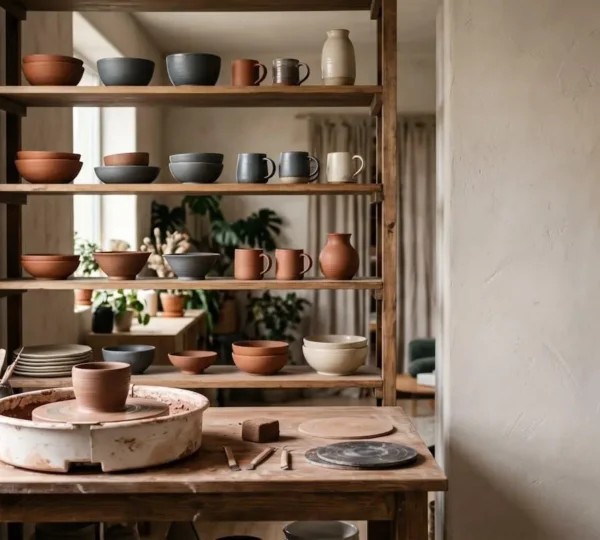
How to Turn Your Pottery Hobby into a Tax-Free Side Hustle?
The fear of tax and complex business rules shouldn’t stop you from earning money from your creative passion. The UK’s £1,000 Trading Allowance is a purpose-built ‘sandbox’ for you to test selling your pottery without needing to register with HMRC….
Read more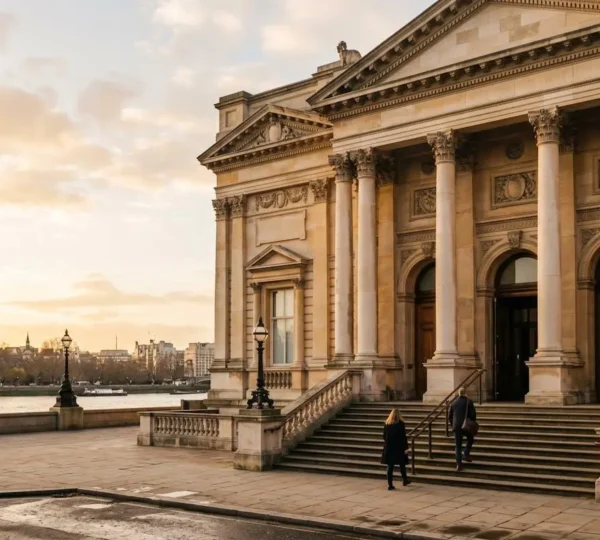
How to Access London’s Premium Art Exhibitions for Under £15?
The key to seeing London’s best art cheaply isn’t just finding discounts—it’s mastering the system from the inside. Memberships offer a high Return on Investment (ROI), often paying for themselves after just three visits to major exhibitions. Strategic timing, advanced…
Read more