Travel & Discovery
Travel has evolved far beyond simply booking a flight and hotel. Modern travellers face a landscape of complex choices: balancing environmental impact against convenience, navigating post-Brexit visa regulations, deciphering greenwashing claims, and deciding whether AI tools can truly replace human expertise. Whether you’re planning a heritage road trip through the Cotswolds, a sustainable trek to Everest Base Camp, or a city break to a lesser-known European gem, understanding the full picture helps you travel smarter, more ethically, and with greater confidence.
This resource brings together the essential knowledge areas that define contemporary travel. From the practicalities of membership schemes and booking strategies to the ethics of porter welfare and footpath erosion, each section addresses real dilemmas that travellers encounter. The goal is not to prescribe a single “right” way to travel, but to equip you with the information needed to make choices aligned with your values, budget, and curiosity.
The articles within this category tackle specific scenarios and questions, but understanding how these topics interconnect creates a foundation for more intentional travel. Let’s explore the key themes that shape meaningful discovery in our interconnected world.
Heritage Tourism and Cultural Immersion
Visiting historic sites, stately homes, and cultural landmarks offers more than aesthetic pleasure. Research consistently shows that exposure to heritage sites enhances children’s understanding of history, with some studies indicating improvements in retention and critical thinking. For families, the question often centres on membership value: organizations like the National Trust and English Heritage provide access to hundreds of properties, but calculating whether annual membership pays off requires honest assessment of how many sites you’ll realistically visit.
Choosing the Right Membership Scheme
The decision between different heritage organizations depends on geographic coverage and your travel patterns. National Trust properties cluster heavily in certain regions, while English Heritage manages more urban monuments and ancient ruins. Mapping the sites within a realistic travel radius from your home, and cross-referencing with places you’d genuinely visit, prevents paying for access you won’t use. Families living in the South East might find one organization offers denser coverage, whereas those in the North might benefit from the other.
Timing Your Heritage Visits
Arrival timing dramatically affects the experience. Stately homes with significant gardens reach peak bloom at specific windows—typically late spring for rhododendrons and early summer for roses—but these periods also coincide with maximum visitor numbers. The disappointment of encountering scaffolding and restoration work is real, yet unavoidable given the constant maintenance historic buildings require. Checking property websites for planned conservation work before long journeys saves frustration, though last-minute closures occasionally happen.
Shoulder seasons offer a compromise: autumn visits provide dramatic foliage and smaller crowds, though some outdoor features close earlier. Understanding these trade-offs helps set realistic expectations and choose sites where the indoor collections justify the visit regardless of weather.
Sustainable and Low-Impact Travel Choices
The environmental footprint of travel has moved from niche concern to mainstream consideration. Quantifiable differences exist: flying from London to Edinburgh produces approximately five times the CO2 emissions of taking the train for the same journey. Yet sustainable choices involve more than carbon calculations—they encompass local economic impact, infrastructure pressure, and long-term destination preservation.
Transportation Modes and True Costs
Train travel to European destinations often carries higher upfront costs than budget flights, creating a perceived barrier. However, total value assessment changes the equation. Train journeys eliminate airport transfers, baggage fees, and the physical toll of early check-ins and security queues. The ability to work, sleep comfortably, or simply watch landscapes unfold offers qualitative benefits that don’t appear on price comparison sites.
Booking timing significantly impacts train affordability. Eurostar tickets released months in advance offer substantially lower fares, but require commitment. Flexibility trades against savings—a calculation each traveller must make based on their circumstances.
Recognizing Greenwashing in Hospitality
Hotels increasingly promote sustainability credentials, but distinguishing genuine commitment from marketing requires scrutiny. Meaningful initiatives involve third-party certification, transparent reporting of water and energy use, and systemic changes beyond asking guests to reuse towels. Vague claims about “eco-friendly practices” without specific metrics often signal greenwashing. Questions about renewable energy sources, waste management systems, and local sourcing policies reveal depth of commitment.
The staycation-versus-abroad dilemma illustrates complexity: a train journey to Provence might generate less carbon than driving repeatedly around Cornwall if you’re making multiple local car trips. Context matters more than blanket rules.
Responsible Behaviour at Destinations
Popular areas like the Lake District face genuine pressure from visitor numbers. Traffic congestion, footpath erosion from tourists taking shortcuts, and overwhelmed infrastructure during peak periods threaten the very qualities that attract visitors. Sustainable tourism requires active choices: using public transport networks (the Lakes offers extensive bus and boat services between major towns like Windermere and Ambleside), timing visits to avoid summer crush, and staying on designated paths even when muddy.
Accommodation choices ripple through local economies. Staying in locally-owned B&Bs rather than chain hotels keeps more money circulating in village economies, supporting the communities that maintain these landscapes. This represents practical action beyond abstract environmental concerns.
Understanding Travel Regulations and Visa Complexities
Post-Brexit travel to Europe introduced bureaucratic layers that catch many travellers unprepared. The 90/180-day rule for Schengen area visits creates particular confusion, as the allowance doesn’t reset on calendar dates but operates on a rolling 180-day window. Misunderstanding this mechanism has led to travellers being refused entry, fined, or receiving temporary bans.
The Schengen Calculation
The rule allows 90 days within any 180-day period across all Schengen countries combined. Each day of entry counts against your allowance, and the calculation looks backward from any given date. This means you cannot simply spend 90 days in spring, leave briefly, and return for another 90 days in summer. The complexity increases for those planning extended European travel or maintaining second homes abroad.
Online calculators help track remaining days, but the onus lies on travellers to maintain records. Overstaying—even by 24 hours—risks substantial fines and entry bans that complicate future travel. When Schengen days run out, non-Schengen European destinations like Croatia, Cyprus, Romania, and Bulgaria offer alternatives, though this requires flexible planning.
Long-Stay Visa Options
Those seeking extended European residence face different pathways. Spain’s non-lucrative visa, designed for retirees and remote workers with independent income, exemplifies one route. The process involves demonstrating sufficient financial means, securing health insurance, and navigating bureaucratic requirements. While hiring immigration lawyers simplifies the process, determined individuals can complete applications independently by carefully following official requirements and allowing substantial lead time.
Each country maintains different visa categories with varying qualification criteria. Research specific to your target country and personal circumstances determines feasibility.
Smart Trip Planning in the Digital Age
AI tools have entered travel planning with bold promises: ChatGPT and similar platforms can generate itineraries, suggest attractions, and optimize routes in seconds. The question isn’t whether AI can plan trips, but whether it can plan them well—and handle the inevitable complications that arise.
AI Capabilities and Limitations
AI excels at aggregating information and creating logical sequences. For straightforward trips to well-documented destinations, AI-generated itineraries provide solid starting points. However, significant gaps emerge with complex logistics: booking train connections across multiple European rail systems, understanding local booking platforms, or accessing experiences that aren’t widely documented online.
The critical failure point comes when things go wrong. Flight cancellations, strikes, or last-minute changes require human judgment, negotiation skills, and industry relationships. AI cannot advocate with airlines, rebook complex multi-leg journeys, or leverage agent-only inventory during crises. The support nightmare of AI-planned trips becomes apparent precisely when you most need assistance.
Strategic Booking Sequences
Whether using AI, agents, or DIY approaches, booking order matters. The conventional wisdom suggests securing flights first, then accommodation, then activities. However, for trips involving limited-availability experiences—such as Japan Rail Passes during peak seasons or specific restaurant reservations—reversing this order prevents disappointment.
The DIY-versus-agent debate often focuses narrowly on price. For straightforward beach holidays, DIY booking usually wins. For complex multi-country trips, agent expertise frequently secures better rates through consolidator fares, package deals unavailable to consumers, and industry connections. The value proposition shifts based on trip complexity and your own time costs.
Decoding All-Inclusive Holiday Packages
All-inclusive resorts promise budget certainty and convenience, but the gap between expectation and reality catches many families off-guard. Understanding what “all-inclusive” actually includes prevents mid-holiday budget shocks and disappointment.
Hidden Costs and Exclusions
The term “all-inclusive” lacks standardization. Most packages exclude branded alcohol, premium restaurant experiences, certain water sports, and even basics like safe deposit boxes at some properties. Families can find themselves spending an additional £500 or more on-site due to these exclusions. Reading the fine print before booking reveals which tier of package actually covers your anticipated usage.
The quality gap between 3-star and 4-star all-inclusive properties appears most dramatically in food. Buffet variety, ingredient quality, and à la carte restaurant options typically justify the upgrade for stays longer than a few days. However, the premium may not matter for families planning extensive off-resort excursions.
Maximizing Resort Value
Booking à la carte restaurants immediately upon arrival (or earlier if online systems allow) secures tables for popular venues that fill quickly. The orientation meeting with resort representatives, while sometimes pushing excursion packages, provides useful information about facility timing and reservation protocols. Dismissing it entirely risks missing operational details that affect your stay.
Tipping etiquette in “tips-included” resorts varies by destination culture. Some properties genuinely pay staff fairly and discourage additional tipping; others use the “included” language while staff still depend on gratuities. Observing other guests and discreetly asking staff about local norms provides guidance.
Alternative Destinations and Hidden Gems
Major tourist hubs deliver famous experiences, but second-tier cities often provide richer value. Lyon exemplifies this dynamic versus Paris: your budget stretches considerably further, food quality often exceeds tourist-focused establishments in capitals, and walkable city centers eliminate constant metro use.
The walkability factor particularly enhances shorter trips. Cities where major attractions cluster within comfortable walking distance reduce transportation time and costs while increasing serendipitous discoveries. Lyon’s compact historic center allows comprehensive exploration in three to four days without feeling rushed.
Provincial France presents specific challenges: many smaller museums and some restaurants close Mondays, and hours can be more limited than in Paris. This “Monday mistake” has derailed carefully planned city breaks. Checking specific opening days for must-see venues and timing your visit accordingly prevents disappointment.
Researching how many days genuinely suits a destination balances thoroughness against diminishing returns. Two days in Lyon barely scratches the surface; a week might feel excessive unless using it as a base for regional exploration. Most visitors find three to four days ideal for the city itself.
Adventure Travel and Ethical Trekking
High-altitude treks like Everest Base Camp and the Annapurna Circuit offer transformative experiences, but the trekking industry’s ethics vary dramatically. The difference between responsible operators and exploitative ones often comes down to porter welfare—an issue budget-conscious trekkers inadvertently worsen.
Understanding Porter Exploitation
Extremely cheap trek packages achieve their prices partly by underpaying porters and providing inadequate equipment. Porters working in sub-zero conditions without proper clothing, carrying excessive loads, and receiving minimal wages represent a persistent problem. Responsible trekking means choosing operators who demonstrate fair porter treatment: weight limits around 10kg per porter, provision of appropriate clothing and insurance, and fair wages.
Trekkers can reduce porter burden by packing lighter. Achieving a duffle bag under 10kg without freezing requires strategic choices: renting heavy items locally, choosing multi-use clothing, and genuinely assessing what’s necessary versus “just in case.” Every kilogram removed benefits the person carrying your belongings up steep mountain paths.
Safety and Environmental Practices
Altitude sickness kills, and the headache you must not ignore above 3,000 meters might signal the onset of serious conditions. Distinguishing normal acclimatization discomfort from dangerous symptoms requires education before departure. Descent remains the only reliable treatment for severe altitude sickness—summit ambitions cannot override safety.
Environmental impact extends to water consumption. Buying 50 plastic bottles over a two-week trek creates substantial waste in regions with limited disposal infrastructure. Water filtration systems or purification tablets eliminate this waste while saving money. Boiling works but requires fuel and time that filtration avoids.
Timing affects both experience and impact. Trekking Annapurna to avoid both leeches and crowds means choosing shoulder seasons carefully: post-monsoon (October-November) offers clear views and dry trails, while spring (March-April) brings rhododendron blooms but increasing crowds. The monsoon itself brings leeches and trail dangers that outweigh any solitude benefits.
Travel encompasses far more than logistics and sightseeing. Each choice—where you stay, how you arrive, whom you support financially, and how you engage with places and people—creates ripples. Approaching travel with curiosity about these connections, rather than treating it as consumption, transforms trips into genuine discovery. The articles throughout this category explore specific scenarios in depth, but they all serve a common goal: helping you travel with greater awareness, intention, and positive impact.

Why You Should Visit Lyon Instead of Paris for a City Break?
Choosing Lyon over Paris is not a compromise; it’s a strategic upgrade for a better, less stressful, and more affordable French experience. Your budget stretches significantly further, with daily costs that are dramatically lower than in the capital. You trade…
Read more
The ‘All-Inclusive’ Trap That Costs Families Extra £500 on Site?
The biggest lie of ‘all-inclusive’ isn’t what’s excluded; it’s the carefully designed spending environment that psychologically nudges families to overspend by up to £500. Tiered services for drinks, food, and even Wi-Fi create constant, small upsell opportunities that exploit decision…
Read more
Can ChatGPT Plan a Better Japan Itinerary Than a Travel Agent?
While AI trip planners are a great starting point, they consistently fail at the critical ‘last mile’ logistics of a complex Japan trip, making a human agent indispensable for a seamless experience. AI-generated itineraries often lack the real-time, nuanced knowledge…
Read more
How the 90/180 Day Rule Ruins Your Long European Summer?
The 90/180-day rule is not a simple 3-month holiday allowance; it is a strict biometric countdown enforced by an automated system that can result in fines and multi-year travel bans for even minor overstays. The rule operates on a “rolling”…
Read more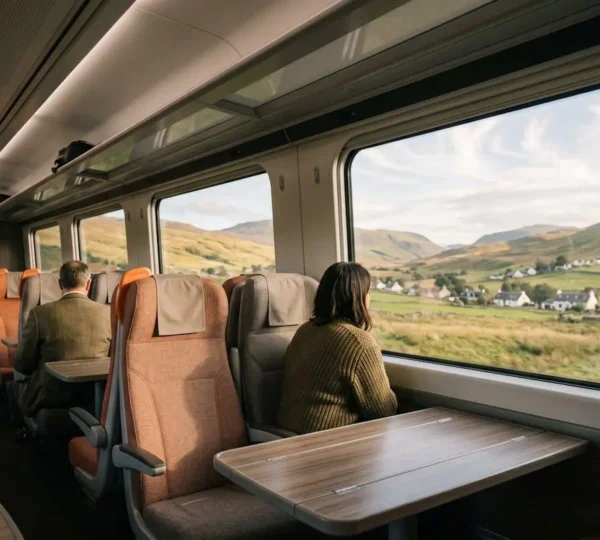
Why Taking the Train to Europe Costs More But Offers Better Value?
Choosing the train over a cheap flight isn’t a sacrifice; it’s a strategic upgrade to your entire holiday experience. The true environmental impact of flying is up to 13 times higher than the train, even before considering non-CO2 effects. Value…
Read more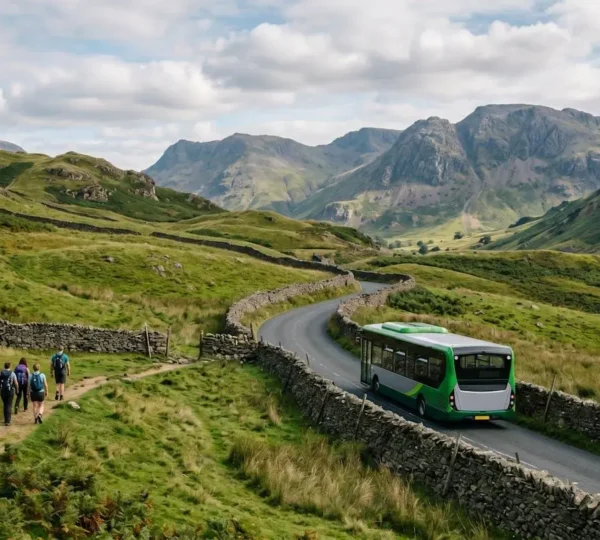
How to Visit the Lake District Without Adding to Traffic Congestion?
Swapping your car for public transport in the Lake District isn’t a compromise—it’s a significant upgrade to your entire holiday experience. You gain operational freedom for point-to-point hikes and avoid the stress and hidden costs of parking. You directly support…
Read more
Is a National Trust Membership Worth the Cost for a Family of Four?
A National Trust membership becomes profitable for a family of four after just three visits, but its true value lies in transforming it into a strategic tool for stress-free weekends. It unlocks a “portfolio” of pre-paid local outings, reducing the…
Read more