Sports & Adventure
Sports and adventure activities offer something far more valuable than weekend entertainment—they provide a structured pathway to understanding risk, building genuine confidence, and developing skills that translate directly into everyday resilience. Whether you’re contemplating your first moorland hike, considering a tandem skydive, or wondering if climbing could become more than a gym hobby, the threshold between curiosity and capability is shorter than most people assume.
What separates a fulfilling outdoor experience from a dangerous or disappointing one isn’t innate talent or fearlessness. It’s understanding the fundamental principles that govern each discipline: how weather affects safety windows, why equipment choices matter more than brand names, and how your mind responds to controlled exposure to fear. This knowledge transforms adventure from reckless thrill-seeking into calculated progression.
The following sections break down the core disciplines within sports and adventure—from the foundational skills needed for UK hill walking to the career pathways available for those who want to turn passion into profession. Each area connects practical technique with psychological preparation, because competence in the outdoors requires both.
Hiking and Hill Walking: Building Your Foundation
Hill walking represents the most accessible entry point into adventure sports, yet it’s also where beginners make the costliest mistakes. The moors and peaks don’t require expensive equipment or specialized training, but they demand respect for fundamentals that many underestimate until weather turns or navigation fails.
Weather Preparation and Gear Selection
Rain in the UK uplands isn’t an occasional inconvenience—it’s a structural reality that determines whether your day ends in satisfaction or hypothermia. Cheap waterproofs fail within the first hour through a simple mechanism: their seams aren’t taped, their fabrics lack breathability ratings above 5,000g, and their zippers allow wind-driven rain to penetrate at pressure points. A £30 jacket might keep you dry standing still in drizzle; it will soak through completely during a three-hour march with a pack rubbing the shoulder seams. The cost difference between adequate and inadequate rain gear is roughly £80—the same amount most people spend recovering from a ruined weekend with replacement clothes and an unplanned hotel stay.
Navigation When Technology Fails
GPS batteries die, signals drop in valleys, and screens become unreadable in direct sunlight or heavy rain. OS map reading isn’t romantic nostalgia—it’s the backup system that determines whether you can self-rescue when electronics fail. The essential skill isn’t memorizing every contour symbol; it’s learning to orient the map to terrain, identify your position using two visible landmarks, and calculate walking time using Naismith’s Rule (1 hour per 5km, plus 1 minute per 10 meters of ascent). Practice this in familiar terrain before you need it on unfamiliar moors.
Understanding Route Difficulty
Circular walks and ridge scrambles sound similar to beginners, but they occupy entirely different categories of difficulty and consequence. A circular walk keeps your hands free and maintains consistent gradient; a scramble requires using hands for balance on exposed rock where a slip could mean a fall measured in meters rather than stumbles. The decision criteria is simple: if you cannot confidently downclimb what you ascend, or if the route involves exposure where falling would cause injury, it’s a scramble requiring additional skills and head for heights.
The Psychology of Adventure: Managing Fear and Flow
Every adventure sport involves deliberate exposure to situations your nervous system interprets as threatening. Understanding how your brain responds to controlled risk transforms this response from a barrier into a tool for mental health and performance.
Why Controlled Fear Benefits Your Brain
Voluntary exposure to managed risk—like standing at a cliff edge on belay or committing to a technical descent on a mountain bike—triggers a dopamine reset that passive entertainment cannot replicate. Your brain’s reward system evolved to reinforce behaviors that involved risk assessment and successful navigation of danger. Modern life provides few opportunities for this mechanism to function as designed, leading to dopamine dysregulation that manifests as constant restlessness or difficulty finding satisfaction. A day spent successfully managing objective hazards recalibrates this system, which explains why many people report improved mood and focus for several days following adventure activities.
Finding Flow State Without Panic
The zone between boredom and panic—where challenge matches skill—is where flow states occur. In extreme sports, this window is narrower and the consequences of misjudgment higher. The practical method for staying in this zone involves progressive exposure: attempting challenges that sit approximately 10-15% above your current comfortable capability. A climber who onsights 6a routes should attempt 6a+ or easy 6b, not 7a. A mountain biker comfortable on blue trails should session a challenging blue or easy red, not attempt a black run. This incremental approach builds genuine capability while keeping fear at productive rather than paralyzing levels.
Post-Adventure Depression and Recovery
Many people experience unexpected low mood in the days following an adventure weekend—a phenomenon caused by the neurochemical contrast between peak experience and routine life. Your brain released significant endorphins, dopamine, and adrenaline during the activity, creating temporary elevation. The return to baseline feels like depression by comparison. The solution isn’t to avoid adventure, but to structure your return: maintain light physical activity in the following days, plan your next outing before the current one ends, and recognize the feeling as neurochemical adjustment rather than existential crisis.
Skydiving: Understanding Aerial Adventure
Skydiving occupies a unique position in adventure sports—it’s simultaneously one of the most psychologically intense and statistically safest activities you can attempt. Understanding why requires examining the systems designed to make it foolproof.
Safety Systems and Common Fears
Fear of heights doesn’t prevent safe skydiving because the fear response requires visual connection to the ground. At 10,000 feet, the ground resembles a map rather than a threatening drop, which eliminates the stomach-drop sensation most people expect. Your brain cannot process the height as dangerous, which is why many skydivers with severe acrophobia feel calmer in freefall than standing on a third-floor balcony.
The reserve parachute system provides the critical safety mechanism: an automatic activation device (AAD) monitors altitude and descent rate, firing the reserve if you pass through 750 feet while still in freefall. This computer-controlled backup operates independently of human decision, covering scenarios where a jumper is unconscious or incapacitated. Commercial tandem operations add a second instructor who monitors the primary instructor, creating redundancy in human factors as well as equipment.
Altitude Options and Value Assessment
Tandem jumps typically offer two altitude options: 7,000-10,000 feet or 13,000-15,000 feet. The higher altitude costs £80-100 more and provides approximately 30 additional seconds of freefall. The value equation depends on your objective: if you’re testing whether you enjoy the sensation before committing to a full training program, the lower altitude provides sufficient data. If this represents a one-time experience you’re documenting for significance (milestone birthday, overcoming fear), the extended freefall time offers better return on the total investment of time, travel, and psychological preparation.
Mountain Biking: Bike Parks and Downhill Progression
Purpose-built bike parks offer the fastest progression pathway for developing downhill skills, but they also concentrate consequences. Understanding equipment requirements and trail systems prevents the expensive mistakes that sideline beginners.
Suspension and Bike Selection
The hardtail versus full-suspension decision for bike park use is simpler than marketing suggests: if the venue features jumps, drops over one foot, or sustained rough sections, full suspension is non-negotiable. A hardtail saves £800-1200 on purchase price but transfers impact directly to your hands, arms, and spine. After three hours on technical terrain, this manifests as arm pump, fatigue-induced mistakes, and potential injury from impacts you could have absorbed through rear suspension. For venues like Bike Park Wales or Dyfi, where even blue-graded trails include technical rock gardens and root sections, full suspension isn’t luxury—it’s the baseline for maintaining control as fatigue accumulates.
Essential Safety Equipment
Full-face helmets on blue runs aren’t paranoia—they’re response to basic physics. At 25-30 km/h (typical blue trail speed), hitting your face on a handlebar or rock during a fall delivers equivalent force to being punched by a heavyweight boxer. Half-shell helmets protect against backward falls onto the skull; they provide zero protection for facial impact. The injury statistics from bike parks show facial trauma as the most common serious injury among riders wearing only half-shells, even on beginner trails. The discomfort of a full-face helmet for a two-hour session is insignificant compared to reconstructive dental work.
Rock Climbing: Transitioning to Outdoor Routes
The gap between indoor bouldering and outdoor traditional climbing represents one of the largest skill jumps in adventure sports. Success requires understanding protection systems, rock quality assessment, and cultural protocols that don’t exist in climbing gyms.
Building Your Trad Rack
New trad climbers face an immediate £600-1000 equipment investment, with the critical decision being whether to buy nuts or cams first. Nuts (passive protection) should form your initial purchase because they teach placement assessment without the false security of cams. A set of nuts costs £50-80 and forces you to read rock features, assess load directions, and understand what makes placements bomber versus marginal. Cams appear easier—they fit obvious cracks and provide visual confirmation through the trigger mechanism—but they’re also more expensive (£50-70 each) and can create false confidence in marginal placements that will fail under load.
Understanding Rock Ethics and Safety
Sport climbing versus trad represents more than equipment differences in the UK—it’s a cultural divide with environmental implications. Bolting gritstone is considered unacceptable not from elitism but from rock conservation: gritstone is softer than limestone, the routes are often shorter, and the historical development emphasized ground-up ascents using natural protection. Drilling permanent anchors would fundamentally alter routes that have existed for decades and damage rock that erodes faster than limestone. This ethic extends beyond mere tradition—it’s about preserving finite resources for future climbers.
Rockfall Recognition and Multi-Pitch Preparation
Loose rock kills more climbers than protection failure, yet beginners rarely learn to identify unstable features. Warning signs include: hollow sounds when tapping holds, recent scarring on rock faces indicating detachment, vegetation growing in cracks (roots expand cracks over time), and lichen-free patches on otherwise weathered faces. Your first multi-pitch route should be on well-traveled classics with established in-situ belay anchors, attempted in summer conditions, and graded at least two grades below your indoor leading ability. The exposure and commitment of multi-pitch terrain introduces psychological factors that don’t exist on single-pitch sport routes.
Building a Career in Outdoor Instruction
Turning adventure passion into profession requires understanding qualification pathways, income realities, and the burnout factors that eliminate half of new instructors within three years.
Qualification Priorities and Costs
Mountain Leader (Summer) and Rock Climbing Instructor represent the two primary entry qualifications, each serving different markets. Mountain Leader costs approximately £1,200-1,800 total (training, assessment, first aid) and qualifies you to lead groups on mountain walks in summer conditions—the highest-demand skill for outdoor centers and Duke of Edinburgh expeditions. Rock Climbing Instructor costs similar amounts but serves a smaller market concentrated in climbing walls and summer camps. For maximizing employment options while staying under £2,000, Mountain Leader provides broader applications. The training-to-assessment gap requires logging quality mountain days—typically 20-40 days of varied terrain in different conditions. Achieve this through volunteering with walking groups, leading friends on progressively challenging routes, and spending strategic weekends in areas that offer diverse terrain.
Employment Models and Income Reality
Center staff positions provide stability (£18,000-24,000 annually) with accommodation often included, but involve significant non-instructing time on cleaning, maintenance, and administration. Freelance instruction offers higher day rates (£120-180) but irregular work, no benefits, and the requirement to manage your own bookings, insurance, and tax. Most successful outdoor professionals operate a hybrid model: maintaining a part-time staff role for baseline income while building freelance clients for premium days. The seasonal burnout trap occurs when instructors accept every offered job during peak season (Easter through October), burn through their physical and psychological reserves, then face winter unemployment with no energy to pursue alternative income or professional development.
How to Become a UK Outdoor Instructor for Under £2,000
Contrary to common wisdom, the fastest route to a paid outdoor career in the UK isn’t the long and expensive Mountain Leader qualification. This guide reveals a more strategic, counter-intuitive path: starting with a quicker, cheaper qualification like the Rock…
Read more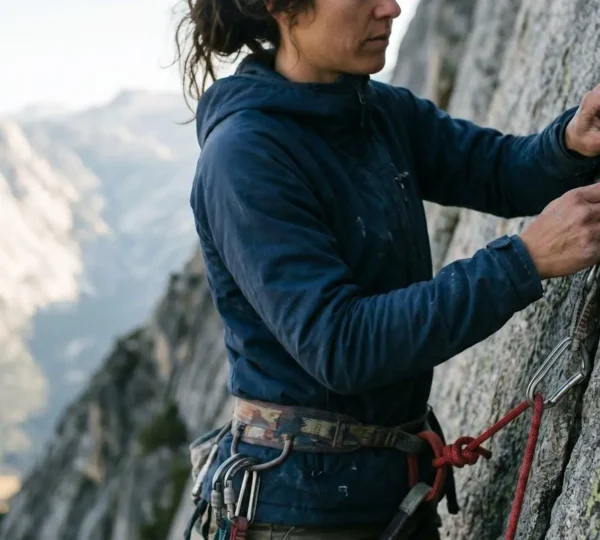
How to Transition from Indoor Bouldering to Trad Climbing Safely?
In summary: Transitioning to trad is a shift in mindset: you are not just a climber, but the manager of a complex safety system. Start your rack with a full set of nuts to master passive protection before investing heavily…
Read more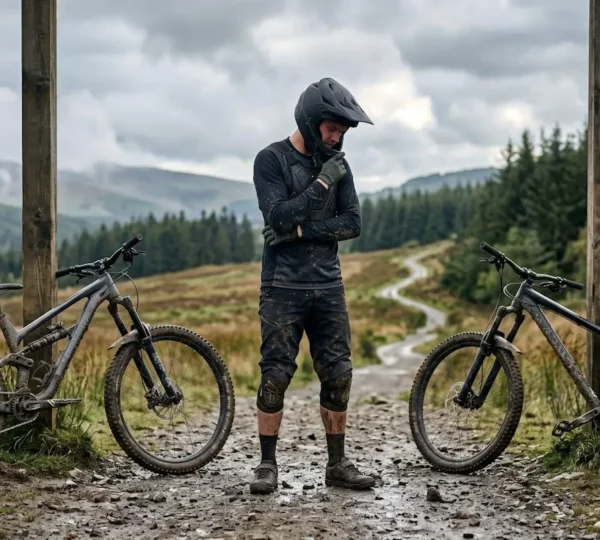
Hardtail or Full-Suspension: What Do You Need for Bike Park Wales?
The question isn’t whether your trail bike is ‘enough’ for a bike park; it’s whether you understand its mechanical limits. Your suspension setup (sag) and braking technique have a greater impact on safety and performance than your bike’s travel. Upgrading…
Read more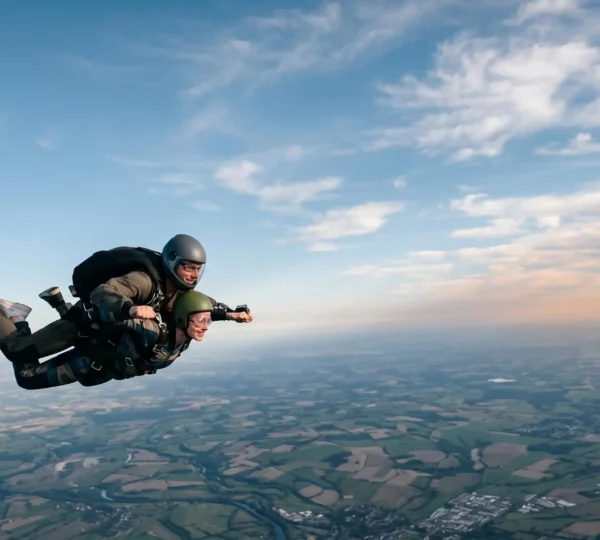
How Tandem Skydiving Bypasses Your Fear of Heights: A Technical Guide
The intense fear of heights you feel on a ladder or balcony does not translate to a skydive because your brain lacks the physical references to process the altitude as a threat. Physiologically, the absence of a “stomach drop” sensation…
Read more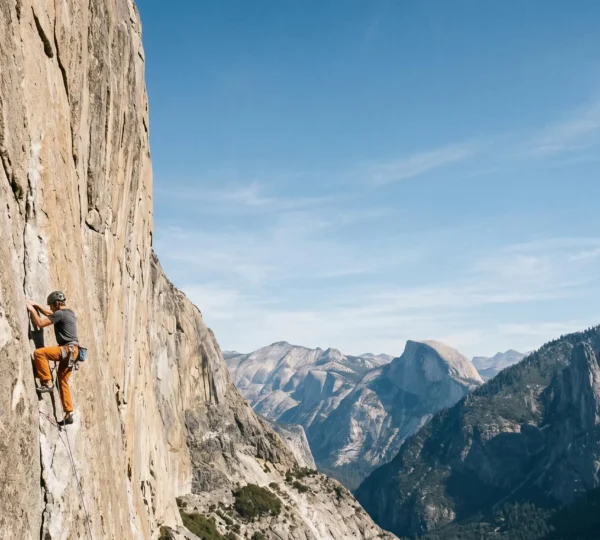
Why Controlled Fear in Sports Resets Your Dopamine Levels
Engaging in controlled-risk sports isn’t thrill-seeking; it’s a therapeutic tool that recalibrates your brain’s response to stress and reward, resetting your dopamine baseline. The voluntary, high-stakes focus required by extreme sports triggers a potent neurochemical cocktail that is fundamentally different…
Read more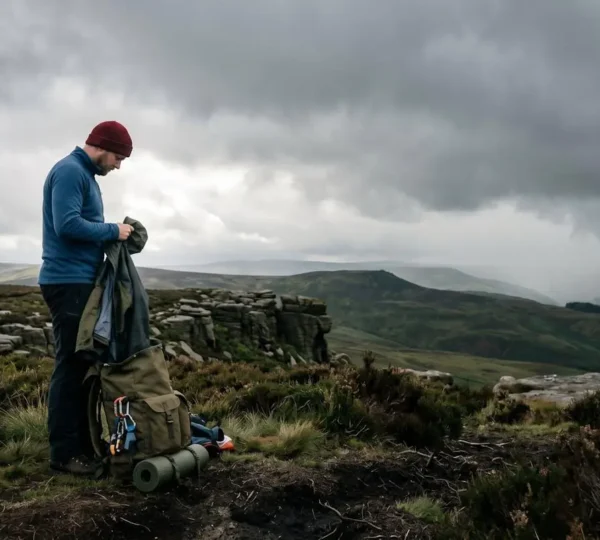
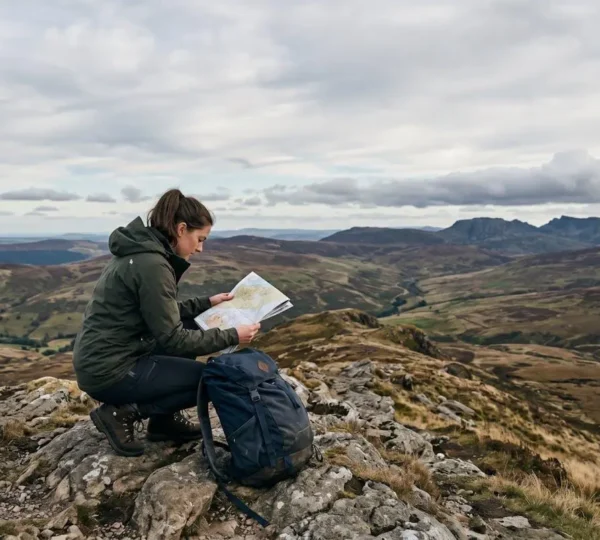
How to Prepare for a Peak District Hike When Rain Is Forecast?
Facing a rainy Peak District hike isn’t about hoping you stay dry; it’s about building a robust safety system for when your gear and plans fail. This guide moves beyond generic advice, focusing on understanding failure points—from cheap waterproofs ‘wetting…
Read more