Fashion & Lifestyle
The way we dress and the way we live are far more connected than most people realise. Every garment hanging in your wardrobe represents a choice—not just about style, but about time, money, values, and mental energy. Similarly, the rhythm of your daily routine, the spaces you inhabit, and the pace at which you move through life directly influence what you wear, how you shop, and ultimately, how you feel about yourself.
In a culture that often equates more with better—more clothes, more commitments, more speed—many people find themselves overwhelmed, financially stretched, and curiously dissatisfied despite full wardrobes and packed schedules. This article explores the intersection of fashion and lifestyle through the lens of intentionality: making conscious choices that align your outer appearance with your inner wellbeing, and your daily habits with your long-term goals.
Whether you’re reconsidering your morning routine, decluttering a cramped flat, or finally ready to build a wardrobe that actually serves your life, the principles remain consistent: quality over quantity, awareness over autopilot, and sustainability over fleeting trends.
Why Slow Living Transforms Both Your Wardrobe and Wellbeing
Slow living isn’t about doing everything at a snail’s pace—it’s about being deliberate with your time, energy, and resources. This philosophy has profound implications for both your daily stress levels and your relationship with clothing.
The Financial and Emotional Cost of Rushing
Consider the typical morning commute: rushing out the door, coffee in hand, already mentally rehearsing the day’s first meeting. Research indicates that hurried morning routines can elevate cortisol levels by approximately 40%, priming your body for stress before the workday even begins. This chronic elevation doesn’t just affect your mood—it influences impulsive decisions throughout the day, including spontaneous purchases you later regret.
Contrastingly, those who embrace slower mornings—waking 30 minutes earlier, preparing mindfully, choosing outfits the night before—report not only lower stress but also more intentional spending habits. When you’re not shopping to soothe stress or filling gaps created by rushed, regrettable purchases, the savings accumulate. Some practitioners of slow living report savings exceeding £200 monthly simply by reducing impulse purchases and convenience spending.
Reclaiming Time in an Overscheduled Life
One of slow living’s most practical gifts is time reclamation. By auditing where your hours actually go—social media scrolling, inefficient task-switching, commitments that don’t align with your priorities—most people can recover at least one hour of personal time each evening. This recovered time can be redirected toward activities that genuinely restore you: reading, cooking proper meals, maintaining your clothing, or simply resting without guilt.
This isn’t about rigid time management; it’s about protecting space for what matters. When applied to your wardrobe, this principle translates to owning fewer pieces that you genuinely love and wear regularly, rather than maintaining a vast collection that demands constant organisation and decision-making energy.
Understanding Burnout Before It Defines You
High achievers, particularly those in demanding urban environments, often pride themselves on resilience and productivity. Yet research suggests that approximately 70% of high-performing individuals miss the early warning signs of burnout until they’re facing serious physical or mental health consequences.
The hidden indicators aren’t always dramatic. They include persistent low-grade fatigue despite adequate sleep, decision fatigue (especially around simple choices like what to wear), cynicism about work you once found meaningful, and a diminished sense of personal accomplishment. Your wardrobe can actually serve as a diagnostic tool: if you find yourself wearing the same comfortable items repeatedly while your carefully curated pieces hang unworn, or if getting dressed feels like an insurmountable task, these may signal deeper exhaustion.
Addressing burnout requires systemic changes—boundary-setting, workload negotiation, professional support when needed—but lifestyle adjustments provide essential support. Simplifying your wardrobe removes one daily decision point. Decluttering your living space reduces visual stress. Establishing non-negotiable personal time creates buffers against overwhelm.
How Your Living Environment Shapes Your Daily Choices
Your physical environment—both its location and its organisation—profoundly influences your fashion choices, spending patterns, and overall wellbeing.
The Weekend Decluttering Method That Actually Works
A 50-square-metre apartment—typical in many urban areas—can feel either spacious and serene or cramped and chaotic, depending entirely on what you keep and how you organise it. The weekend decluttering approach focuses on sustainable progress rather than exhausting marathon sessions:
- Friday evening: Choose one category (clothing, books, kitchen items) and gather everything from that category in one place
- Saturday morning: Sort items into keep, donate, and discard, using the criteria “Do I use this regularly or does it add genuine value to my life?”
- Saturday afternoon: Organise kept items with intention, ensuring everything has a designated place
- Sunday: Remove donation items from your home immediately; rest and enjoy your newly organised space
This method prevents decision fatigue by limiting scope, and creates visible progress that motivates continuation. When applied specifically to wardrobes, it often reveals that you wear 20% of your clothing 80% of the time—valuable data for future purchasing decisions.
Urban Energy vs Rural Calm: Choosing Your Ideal Setting
The city flat versus country cottage debate isn’t merely about aesthetics—it’s a mental health consideration with tangible lifestyle implications. Urban living offers convenience, cultural access, and professional opportunities, but often at the cost of constant sensory stimulation, limited personal space, and a faster-paced lifestyle that can feel relentless.
Rural or semi-rural settings typically provide more space, natural environments, and slower rhythms, but may involve longer commutes, reduced amenities, and potential isolation. Your ideal environment depends on your personal nervous system: some people thrive on urban energy and find countryside quiet unsettling; others experience city life as depleting and recharge best in natural settings.
Interestingly, this choice also affects your wardrobe needs. Urban professional environments often demand a more extensive workwear collection, while rural lifestyles may prioritise weather-appropriate practical clothing. Neither is inherently better—alignment with your authentic preferences is what matters.
Building a Wardrobe That Works With Your Life, Not Against It
Your clothing should simplify your life, not complicate it. This requires shifting from accumulation to curation.
The Capsule Wardrobe Philosophy
A capsule wardrobe—typically 30 to 40 versatile pieces for a given season—might sound restrictive until you experience its liberation. The concept centres on selecting items that genuinely suit your lifestyle, fit well, coordinate effortlessly, and align with your aesthetic preferences. For those navigating unpredictable British weather, this might include layerable basics, a reliable waterproof layer, and transitional pieces that work across temperature fluctuations.
The mathematics are compelling: 30 carefully chosen pieces that all coordinate create exponentially more outfit combinations than 100 random items that don’t work together. More importantly, you eliminate the paradox of “nothing to wear” despite a full wardrobe.
Investment Pieces vs Fast Fashion: The True Cost Calculation
A £200 trench coat might seem extravagant compared to a £40 alternative, until you calculate cost-per-wear over time. A well-constructed trench in a classic style, made from quality materials, can easily last a decade with proper care—equating to £20 annually, or mere pence per wear if worn regularly. The cheaper version, constructed from inferior materials with poor stitching, might last two seasons before looking shabby, requiring replacement and ultimately costing more.
This principle extends beyond outerwear. Quality basics in natural fibres, classic footwear with replaceable soles, and well-made accessories consistently outperform their cheaper counterparts in longevity, comfort, and sustained appearance. The key is distinguishing between items worth investing in (things worn frequently in versatile styles) versus acceptable economy purchases (highly trendy items or rarely worn special occasion pieces).
Statement or Staple: A Strategic Approach
When budget is limited, which should you prioritise—a distinctive statement piece that expresses personality, or another essential basic? The strategic answer: build your foundation first. Ensure you have well-fitting, quality basics that meet your actual lifestyle needs. These create a reliable canvas that works daily.
Once your foundations are solid, carefully selected statement pieces—a distinctive jacket, bold accessories, unique footwear—add personality and prevent wardrobe fatigue without requiring extensive additional purchases. One striking piece can transform multiple basic combinations, providing variety without volume.
Fabric Literacy: The Foundation of Smart Shopping
Understanding fabric behaviour is perhaps the single most valuable skill for building a functional wardrobe, yet it’s rarely taught. The common frustration of garments that simultaneously make you sweat and freeze—leaving you clammy but cold—typically results from synthetic fabrics that trap moisture against your skin while providing poor insulation.
Natural fibres like cotton, linen, wool, and silk generally regulate temperature more effectively because they’re breathable and moisture-wicking. Merino wool, for instance, keeps you warm when it’s cold and cool when it’s warm, while also resisting odours—making it ideal for travel or busy schedules. Cotton breathes beautifully but offers little warmth when wet. Linen excels in heat but wrinkles readily.
Synthetics have their place: technical athletic fabrics genuinely perform for sport, and some blends offer practical benefits like reduced wrinkling or enhanced durability. The key is understanding what you’re buying and matching fabric properties to intended use, rather than selecting based solely on appearance or price.
Caring for Quality: Storage and Maintenance Essentials
Investing in quality clothing only makes financial sense if you maintain it properly. Seasonal storage is particularly important for natural fibres vulnerable to pest damage.
To prevent moth damage to winter woolens during summer storage, the process is straightforward but non-negotiable: clean everything before storage (moths are attracted to body oils and food residue, not the wool itself), store in breathable cotton bags or sealed containers, and add natural deterrents like cedar or lavender. Never store wool in plastic bags, which trap moisture and can cause mildew.
Similarly, learn each garment’s care requirements. Many items labelled “dry clean only” can actually be hand-washed successfully, saving money and extending garment life by avoiding harsh chemicals. Understanding when to fold versus hang, how to remove specific stains, and when professional cleaning is genuinely necessary transforms clothing care from mysterious chore to manageable routine.
Transitioning to Intentional Living: A Realistic Timeline
Perhaps you’re convinced that a more intentional approach to both fashion and lifestyle would benefit you, but feel overwhelmed about where to start. Sustainable change requires patience.
A twelve-month transition to slow fashion might look like this: months 1-3, shop your own wardrobe and identify gaps; months 4-6, research quality brands and save for first investment piece; months 7-9, develop care routines and repair skills; months 10-12, establish a sustainable shopping rhythm based on genuine need rather than impulse or season. This gradual approach prevents both financial strain and the decision fatigue that derails abrupt overhauls.
Applied more broadly to lifestyle changes, the same principle holds: small, consistent adjustments compound over time. Reclaiming 15 minutes daily creates 91 hours annually. Reducing impulse purchases by £50 monthly yields £600 yearly. The goal isn’t perfection—it’s direction.
Fashion and lifestyle aren’t separate domains requiring different strategies; they’re interconnected aspects of how you move through the world. By approaching both with intentionality—choosing quality over quantity, awareness over autopilot, and alignment over obligation—you create space for what genuinely matters while reducing the financial, environmental, and emotional costs of mindless consumption. The journey begins not with a complete overhaul, but with a single conscious choice.
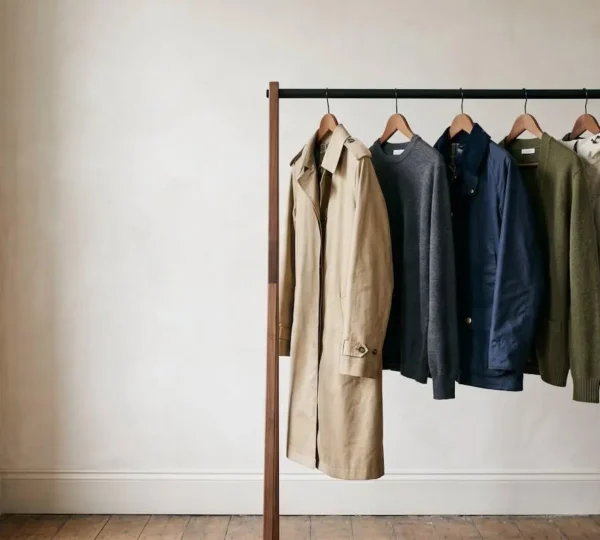
How to Build a 30-Piece Wardrobe That Survives British Weather?
The secret to a functional UK wardrobe isn’t owning less; it’s owning the right technical gear to conquer the weather, which in turn saves you money, time, and stress. True value is measured by ‘Cost-Per-Wear’, not the initial price tag….
Read more
Why Embracing Slow Living Saves Londoners Over £200 a Month
The secret to thriving in London isn’t working harder or earning more; it’s adopting a ‘slow living’ mindset as a practical system for managing your most precious resources: time, money, and focus. Slowing down your commute and daily routines directly…
Read more