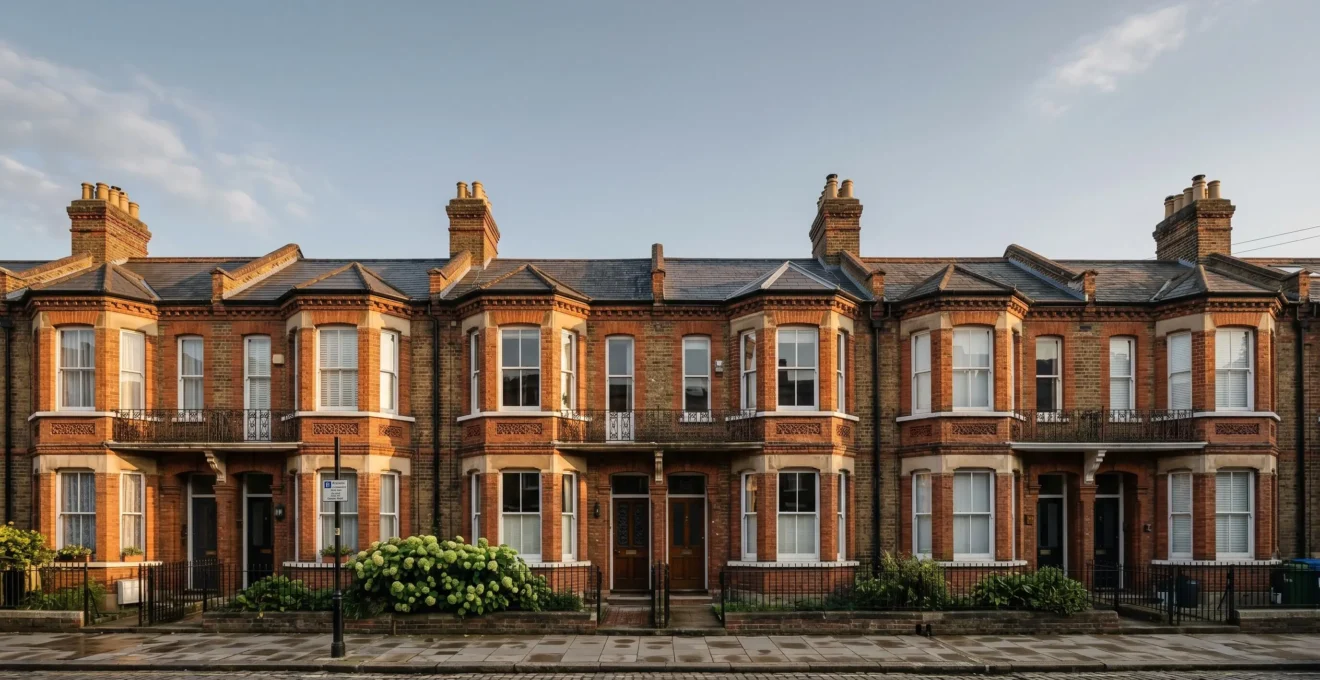
The key to a successful Victorian retrofit is not sealing the building airtight, but enhancing its natural ability to breathe and manage moisture.
- Using modern, non-breathable materials often traps moisture, leading to damp, mould, and structural decay.
- A “fabric-first” approach using vapour-permeable materials like lime plaster and wood fibre insulation is essential before considering new heating systems.
Recommendation: Prioritise a whole-house assessment from a qualified retrofit assessor to create a phased plan that respects the building’s original construction.
As a UK homeowner in a period property, the push towards greater energy efficiency presents a significant challenge. The desire to lower soaring energy bills and meet new targets like an Energy Performance Certificate (EPC) of ‘C’ is understandable. The common advice often involves wrapping the house in modern insulation and installing the latest heating technology. However, this approach, born from modern construction principles, can be catastrophic for a Victorian building designed to breathe.
Victorian houses were built with soft, porous materials like lime mortar and timber, which manage moisture by allowing it to pass through the building fabric and evaporate away harmlessly. Sealing them with impermeable materials like cement render, gypsum plaster, or PIR insulation boards traps this moisture inside. This creates a cascade of problems, from peeling paint and crumbling plaster to the insidious spread of black mould and even structural timber decay. The very interventions meant to improve the home can end up damaging it and harming its occupants’ health.
The true path to a warm, efficient, and healthy Victorian home lies in working with its original character, not against it. This guide adopts a “vapour-open” philosophy, a forward-looking strategy deeply rooted in respecting the building’s historic fabric. Instead of creating a sealed box, we will explore how to enhance the building’s breathability while dramatically improving its thermal performance. It’s a method that values the integrity of the past to secure a sustainable future.
This article will guide you through the critical decisions of a heritage-sensitive retrofit. We will dismantle common myths, prioritise the correct sequence of works, and provide the technical understanding needed to achieve an EPC C rating without devaluing your property or compromising its unique soul.
Summary: How to Retrofit a Victorian Terrace to EPC C Without Losing Character?
- Why Sealing Up an Old House Can Cause Black Mould in 6 Months?
- How to Apply for the Great British Insulation Scheme Successfully?
- Heat Pump or Modern Gas Boiler: Which Works in a Drafty House?
- The Exterior Insulation Mistake That Devalues Period Properties
- In What Order Should You Insulate Floors, Walls, and Roofs?
- Why Timber Frame Walls Are 30% Thinner for the Same Insulation?
- Do Air Source Heat Pumps Actually Work When It Hits -5°C?
- Why Choose a Timber Frame Extension Over Traditional Masonry?
Why Sealing Up an Old House Can Cause Black Mould in 6 Months?
The appearance of black mould in a Victorian house shortly after “modernisation” is a depressingly common story. The root cause is almost always a fundamental misunderstanding of how older buildings manage moisture. Unlike modern homes with cavity walls and vapour barriers, Victorian solid-wall properties are designed to be vapour-permeable. They allow moisture from daily activities like cooking and breathing to pass through the walls and evaporate externally. When we apply modern, non-breathable materials like gypsum plaster, vinyl paints, or cement-based render, we effectively wrap the house in a plastic bag.
This trapped water vapour has nowhere to go. As it comes into contact with cold surfaces—typically external walls, corners, and behind furniture—it condenses back into liquid water. This phenomenon, known as interstitial condensation, creates the perfect breeding ground for mould. The problem is widespread; studies show that while 3% of English homes experience serious condensation, broader estimates suggest as many as one in five UK households are affected. For a “sealed” Victorian home, this isn’t a risk; it’s a near certainty.
The solution is not to seal tighter but to restore breathability. A successful retrofit embraces hygroscopic materials like lime plaster or clay boards, which can absorb and release moisture, acting as a buffer to regulate internal humidity. This approach works with the building’s physics, preventing condensation from forming in the first place and safeguarding both the structure and the health of its occupants.
Case Study: Solving Black Mould by Restoring Breathability
A homeowner on a period property forum detailed their battle with persistent black mould in a Victorian terrace. Initially suspecting penetrating damp, they discovered the true cause was condensation trapped by modern, non-breathable materials. By painstakingly removing the impermeable cement render and gypsum plaster and replacing them with traditional lime mortar and breathable paint, they completely eliminated the damp and mould issues, proving that working with the building’s need to breathe was the definitive solution.
How to Apply for the Great British Insulation Scheme Successfully?
The Great British Insulation Scheme (GBIS) offers a valuable opportunity for homeowners to co-fund energy efficiency improvements. However, for owners of Victorian properties, navigating the application requires a strategic approach to ensure the measures proposed are appropriate. The scheme is not a one-size-fits-all solution, and installing the wrong type of insulation can lead to the very moisture problems we aim to avoid. A successful application hinges on finding a qualified installer who understands the specific needs of older buildings.
Your first step is eligibility verification. The scheme primarily targets homes with an EPC rating of D-G and in lower Council Tax bands. Once confirmed, the most critical stage is selecting an installer. Do not simply choose the first one available. You must seek out a TrustMark-qualified installer with demonstrable experience in retrofitting period properties. Ask for case studies, speak to previous clients, and question them on their approach to moisture management and breathability. This is your primary safeguard against inappropriate interventions.
The application itself is typically handled through your chosen installer or energy supplier. The process will involve a home assessment conducted by a qualified retrofit assessor, ideally following the PAS 2035 standard. This standard mandates a “whole-house” approach, considering the house as an entire system. It ensures that any proposed measures, like loft or floor insulation, are suitable and won’t have unintended negative consequences. With government projections suggesting the scheme will treat 315,000 homes and reduce bills by £300-£400 annually, ensuring the work is done correctly is paramount.
Your Action Plan for a Successful GBIS Application
- Verify Eligibility: Check your property’s EPC rating (D-G) and Council Tax band (A-D in England, A-E in Scotland/Wales).
- Select an Expert Installer: Find a TrustMark-qualified installer with specific, proven experience in retrofitting Victorian homes.
- Complete the Application: Submit the form via your chosen supplier or installer with accurate documentation.
- Insist on a PAS 2035 Assessment: Ensure a qualified retrofit assessor conducts a thorough, whole-house evaluation.
- Review and Confirm: Carefully review the recommended measures, confirm they are vapour-permeable where necessary, and clarify all costs.
Heat Pump or Modern Gas Boiler: Which Works in a Drafty House?
The “heat pump vs. boiler” debate is central to any retrofit plan, but in a Victorian house, the question is more nuanced. A modern condensing gas boiler is a familiar technology. It delivers high-temperature heat (70-80°C) in quick bursts, capable of overcoming high heat loss in a poorly insulated, “draughty” property. However, it relies on a fossil fuel and its efficiency, while high at around 95%, is capped.
An air source heat pump (ASHP), by contrast, operates on a fundamentally different principle. It works best by providing a continuous, low-temperature flow of heat (35-55°C). This is why it is often paired with oversized radiators or underfloor heating, which have a larger surface area to gently radiate heat into a room. In a draughty, uninsulated Victorian house, a heat pump will struggle. It will run constantly, trying to replace heat as fast as it escapes, leading to high electricity bills and a cold home. Its efficiency, or Coefficient of Performance (COP), is directly tied to how hard it has to work.
Therefore, a heat pump is only a viable option after a comprehensive “fabric-first” insulation strategy has been implemented. The house must be made as airtight and well-insulated as possible (using breathable materials) to reduce the overall heat demand. Only then can the gentle, constant heat from a pump be effective and efficient. In a well-insulated period home, a heat pump can be transformative, as some case studies show.
Case Study: Heat Pump Success in a Victorian Semi-Detached
The owners of a Victorian semi-detached home in Egham, which already had double glazing and loft insulation but retained its solid walls, successfully installed an 8kW Samsung heat pump. By upgrading their radiators to suit the lower flow temperatures, they reported excellent hot water performance and consistent comfort throughout their home, outperforming their old gas boiler. This demonstrates that with the right fabric improvements, heat pumps are a perfectly viable and superior heating solution for period properties.
The Exterior Insulation Mistake That Devalues Period Properties
Applying External Wall Insulation (EWI) to a Victorian property is one of the most high-risk interventions you can undertake. While it seems like a logical way to wrap the building in a warm blanket, using the wrong materials can encase it in a waterproof shell, leading to structural damp, ruining the original brickwork, and significantly devaluing the property. The primary mistake is using standard, non-breathable EWI systems, typically made of expanded polystyrene (EPS) or phenolic boards finished with a synthetic render.
These systems prevent the solid brick walls from breathing. Moisture from inside gets trapped, but so does any moisture that penetrates from the outside (e.g., through a small crack in the render). The brickwork becomes saturated, leading to spalling in winter as trapped water freezes and expands. Internally, this trapped moisture can cause damp patches and mould. The aesthetic damage is also profound; the character of the original brickwork, with its unique bonds and textures, is lost forever beneath a flat, modern render that is incongruous with the building’s heritage.
The scale of poor installation is alarming. One report found that up to 98% of homes with EWI installed under the government’s ECO scheme required corrective work for major issues. This has led to properties becoming unmortgageable. If external insulation is the only option (for example, if internal space is at an absolute premium), it is imperative to use a fully breathable system, such as wood fibre boards finished with a lime render. These systems provide insulation while maintaining the wall’s ability to manage moisture, preserving the long-term health of the building.
We continue to hear alarming stories of homeowners left with unmortgageable properties due to shoddy installation and weak oversight.
– Paula Higgins, CEO of HomeOwners Alliance, HomeOwners Alliance statement on NAO solid wall insulation report
In What Order Should You Insulate Floors, Walls, and Roofs?
A successful retrofit follows a logical, phased sequence known as the “fabric-first” approach. This principle dictates that you improve the thermal performance of the building’s envelope (its roof, walls, floors, and windows) before considering or upgrading the heating system. Attempting these tasks in the wrong order is inefficient and can lead to costly mistakes, such as installing an oversized boiler or heat pump that is no longer appropriate after the home is insulated.
The correct order is determined by a simple principle: tackle the areas of greatest heat loss first, starting with the most cost-effective and least disruptive measures. Heat rises, making the roof the single biggest source of heat loss in most homes. Therefore, the sequence should always begin from the top down. According to energy efficiency assessments, up to 35% of heat loss escapes through walls, but a staggering 25% is lost through the roof. Insulating a loft is relatively cheap, easy, and provides a massive and immediate return on investment.
After the loft, the next priority is tackling uncontrolled air leakage through draught-proofing. This includes sealing gaps around windows and doors, and blocking unused chimneys. Next, address the floors, particularly suspended timber ground floors which can be a significant source of cold draughts. Only after these steps are complete should you consider the most expensive and disruptive measure: wall insulation. Whether internal or external, this is a major undertaking that should be the final piece of the fabric-improvement puzzle. Once the building’s fabric is as efficient as possible, you can then accurately size and install a new, efficient heating system.
Your Fabric-First Insulation Sequence for a Victorian Home
- Priority 1: Loft/attic insulation to a minimum of 270mm to address the 25% of heat loss through the roof.
- Priority 2: Draught-proofing windows, doors, and chimney caps to seal uncontrolled ventilation.
- Priority 3: Insulating suspended timber floors to cut ground-level cold and moisture pathways.
- Priority 4: Wall insulation (internal or external, using breathable materials) to tackle the largest area of heat loss.
- Final Step: Size and install the heating system only after all fabric improvements are complete.
Why Timber Frame Walls Are 30% Thinner for the Same Insulation?
When planning an extension to a Victorian property, the choice between traditional masonry and a modern timber frame has significant implications for thermal performance and space. A key advantage of timber frame construction is its structural efficiency. The insulation is placed within the depth of the structural studs, whereas in a masonry cavity wall, the insulation is a separate layer between two blockwork leaves. This means a timber frame wall can achieve the same U-value (a measure of heat loss) as a much thicker masonry wall.
For a typical extension, a timber frame wall might be around 30% thinner than a masonry equivalent that delivers the same level of insulation. This can translate into a significant gain in valuable internal floor space, especially in tight urban sites. The space saved can mean the difference between a cramped room and a comfortable one, or allow for more built-in storage. This efficiency is achieved because materials like wood fibre or mineral wool insulation, commonly used in timber frames, have a much better thermal resistance than a concrete block.
Furthermore, timber frame construction offers superior airtightness. The system often uses continuous membranes and specialist tapes, which are meticulously applied in a controlled factory environment or on-site. Achieving a comparable level of airtightness with blockwork, especially when joining new masonry to the uneven, often-friable brickwork of an old Victorian wall, is far more difficult and less reliable. This enhanced airtightness (coupled with controlled ventilation) further boosts the energy efficiency of the extension, reducing draughts and heat loss beyond just the U-value of the walls.
Do Air Source Heat Pumps Actually Work When It Hits -5°C?
A common concern for UK homeowners considering an air source heat pump (ASHP) is its performance during a cold snap. It is a myth that they stop working in freezing temperatures; after all, they are a standard heating solution in much colder Scandinavian countries. However, their efficiency does decrease as the outside air gets colder. A heat pump works by extracting latent heat from the outdoor air, and the colder it is, the harder the pump has to work to extract that heat.
This efficiency is measured by the Coefficient of Performance (COP). A COP of 3 means that for every 1 kWh of electricity the pump consumes, it produces 3 kWh of heat. In mild UK conditions of around 7°C, a good quality heat pump can achieve a COP of 3.5 or higher. However, this performance is variable; as temperatures drop, a heat pump’s Coefficient of Performance (COP) can drop to 2.2 at -5°C. While it is still producing more than twice the heat energy it consumes, this drop in efficiency means higher running costs during the coldest days of the year.
This is precisely why a “fabric-first” approach is non-negotiable when installing a heat pump in a Victorian property. By dramatically reducing the building’s overall heat demand through insulation and draught-proofing, you ensure that even when the heat pump is operating at a lower COP, it can still comfortably and affordably heat the home. The system may include a small backup electrical heater to assist on the very coldest days, but in a well-insulated house, this will be used infrequently. The key takeaway is that a heat pump’s effectiveness at -5°C is less about the technology itself and more about the quality of the building envelope it is working in.
| Outdoor Temperature | COP (Efficiency) | Electricity Used for 11,040 kWh Heat | Annual Cost (£0.30/kWh) |
|---|---|---|---|
| Average UK conditions | 3.0 | 3,680 kWh | £1,104 |
| 7°C (mild) | 3.5 | 3,155 kWh | £947 |
| -5°C (cold snap) | 2.2 | 5,018 kWh | £1,505 |
| Well-insulated home average | 3.0 | 1,260 kWh | £378 |
Key takeaways
- Victorian homes must be able to “breathe”; using non-breathable modern insulation traps moisture and causes damp.
- Always follow a “fabric-first” approach: insulate the roof, draught-proof, then tackle floors and walls before upgrading the heating system.
- Heat pumps are highly efficient but require a well-insulated building envelope to work effectively in a period property.
Why Choose a Timber Frame Extension Over Traditional Masonry?
When extending a Victorian house, the choice of construction method for the new addition has profound implications for the health of the entire building. Opting for a modern timber frame extension over traditional masonry offers significant advantages in managing the delicate moisture balance at the junction between the old and new structures. This is the most vulnerable point of any extension project.
Victorian homes are a balancing act: allowing limited moisture into the masonry but also enabling it to escape again. Compromising this balance risks internal moisture ingress and damage to fabric elements such as brickwork and internal plaster finishes.
– Murrins Chartered Surveyors, Victorian Homes: When Old Meets New retrofit guidance
A timber frame, being a lightweight and relatively “dry” form of construction, imposes less structural load on the original building’s foundations. More importantly, it allows for a highly controlled and well-detailed interface. Using modern breathable membranes and tapes, it is far easier to create a weathertight yet vapour-permeable seal between the timber frame and the old brickwork. This ensures that moisture cannot get trapped at this critical junction, preventing future damp problems. Conversely, bonding new, dense, and impermeable blockwork to soft, porous Victorian bricks can create a moisture trap, leading to damp penetration and salt efflorescence.
Beyond the technical benefits, timber frame construction is also significantly faster. The frame can be prefabricated off-site while the foundations are being prepared, reducing on-site construction time by weeks. For a homeowner living in the property during the build, this reduction in disruption is a major advantage. Combined with its superior thermal efficiency and potential for greater internal space, the timber frame presents a compelling, heritage-sensitive choice for extending a Victorian home.
Successfully retrofitting a Victorian terrace to meet an EPC C rating is a delicate but achievable art. It requires a shift in mindset away from modern “sealed box” thinking towards a philosophy that respects the building’s inherent need to breathe. By prioritising a fabric-first approach with vapour-permeable materials and making informed decisions about heating systems and extensions, you can create a home that is warm, energy-efficient, healthy, and retains all the character and soul you fell in love with.